
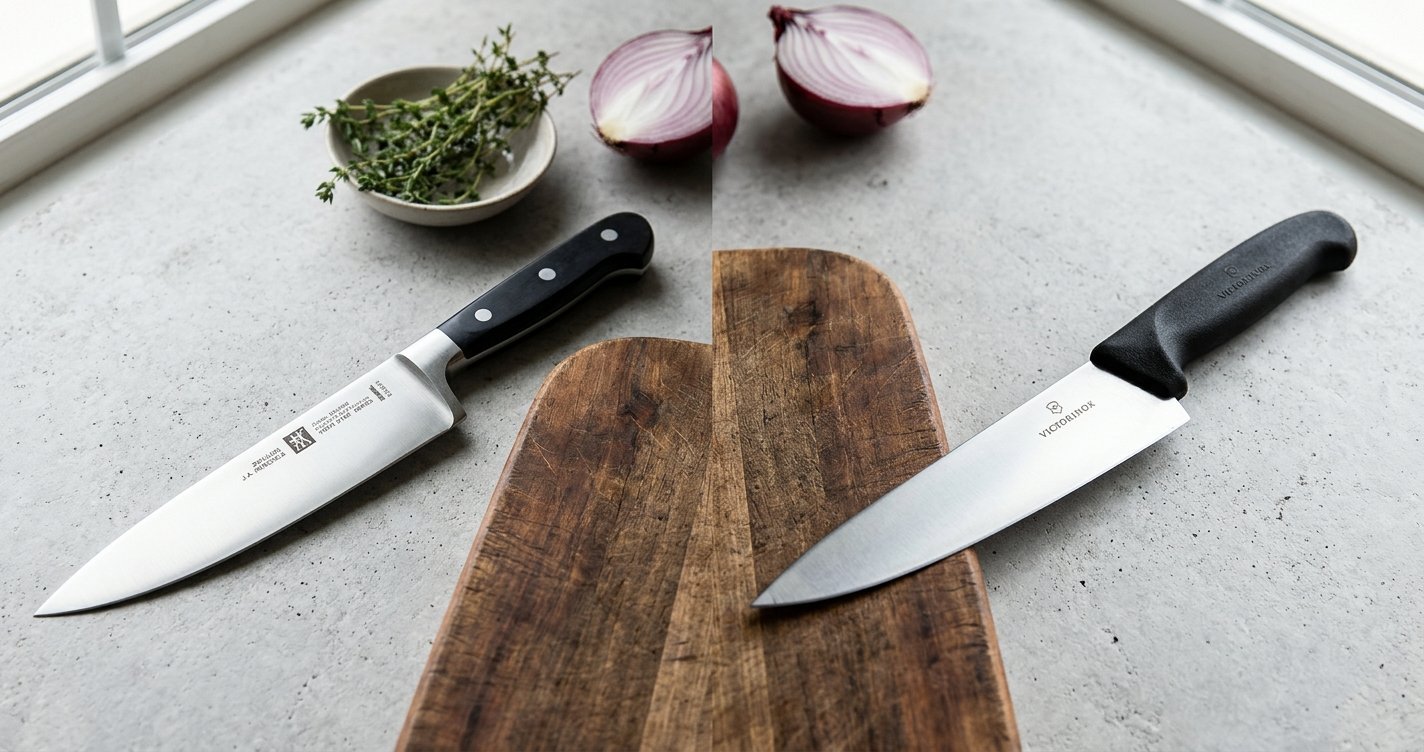
Choosing between Zwilling and Victorinox kitchen knives comes down to your budget, cooking habits, and preferred knife feel. Both brands have established reputations for making reliable kitchen knives, but they take different approaches to design, pricing, and everyday performance.
Read More: Henckels Knives vs. Cutco Knives: Which Is Better in 2026?
Zwilling is often associated with premium German knife craftsmanship, substantial blades, and balanced, traditional designs. Victorinox is known for practical, lightweight knives that deliver excellent value for home cooks and professional kitchens alike.
| Feature | Zwilling | Victorinox |
| Country of origin | Germany | Switzerland |
| Best known for | Premium German kitchen knives | Practical, value-focused knives |
| Typical feel | Substantial and balanced | Lightweight and agile |
| Blade styles | German-style, with some variation by collection | Generally lightweight, versatile designs |
| Sharpness | Excellent when properly sharpened | Excellent when properly sharpened |
| Maintenance | Depends on the model and steel | Depends on the model and steel |
| Price | Often higher for comparable premium lines | Often more budget-friendly |
| Best for | Cooks who prefer a traditional, premium feel | Cooks who want performance and value |
Quick verdict: Choose Zwilling if you prefer a more substantial knife with a traditional German feel and are willing to invest in a premium model. Choose Victorinox if you want a lightweight, versatile knife that offers excellent performance for the money.
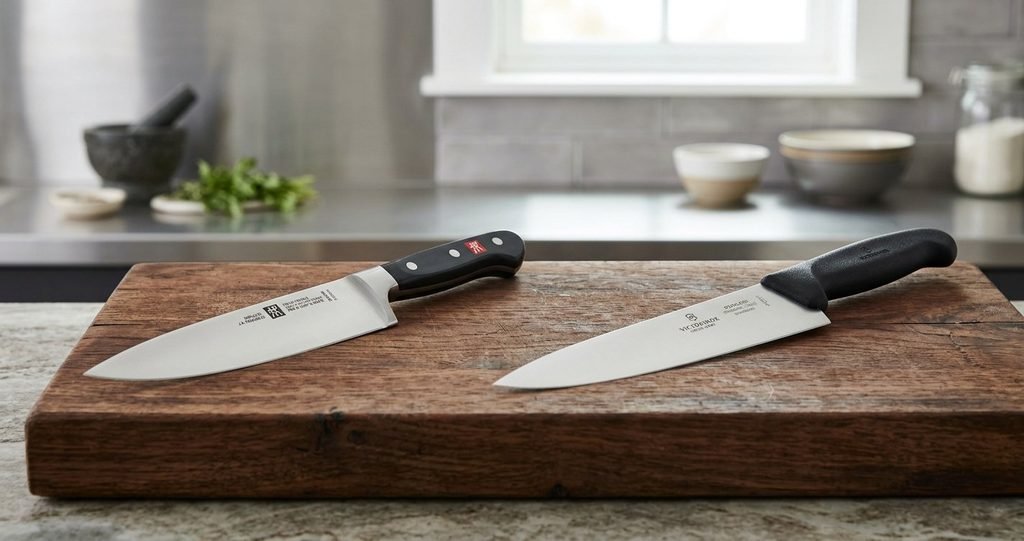
What Is the Difference Between Zwilling and Victorinox Knives?
The biggest differences between Zwilling and Victorinox knives are their construction, weight, handle design, price, and overall feel.
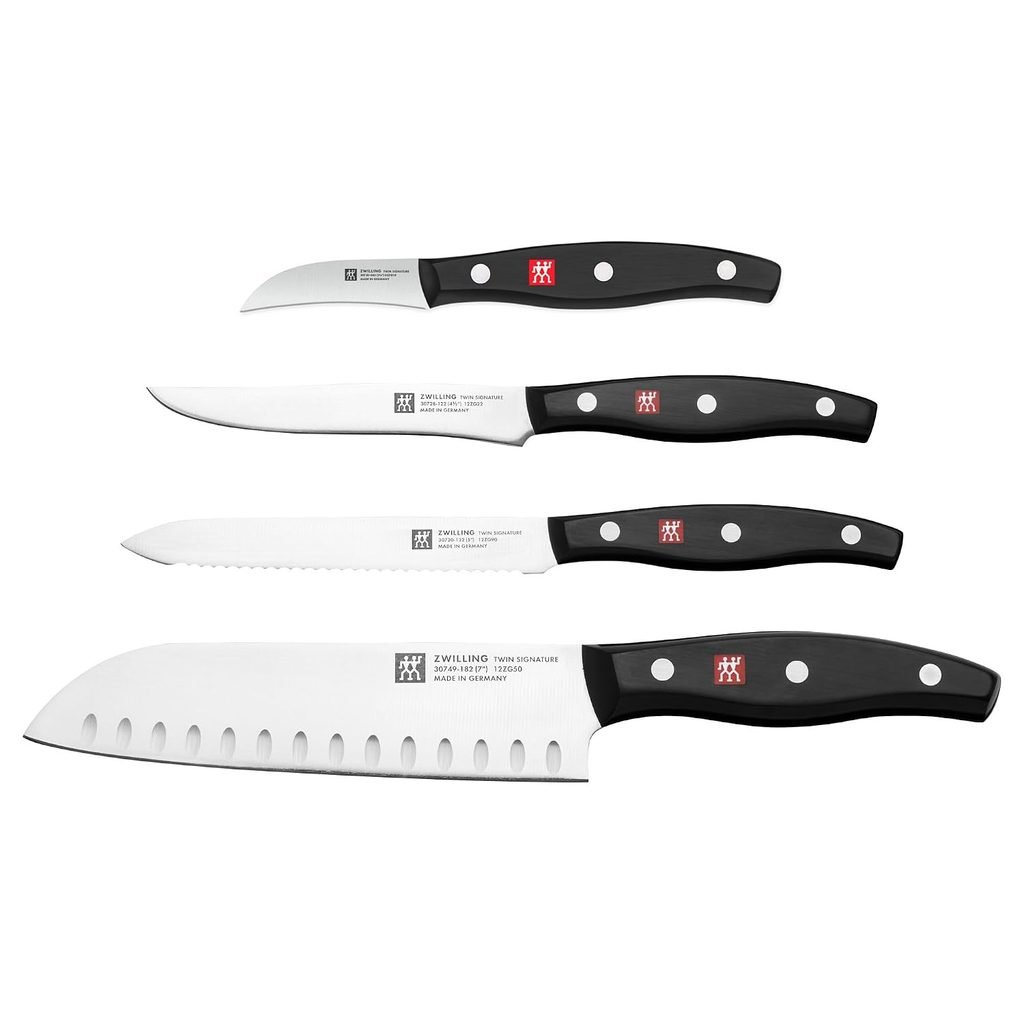
Zwilling offers several collections, ranging from accessible everyday knives to high-end forged models. Many of its premium knives feature substantial construction, carefully shaped handles, and a balance that appeals to cooks who prefer a solid knife in their hand.
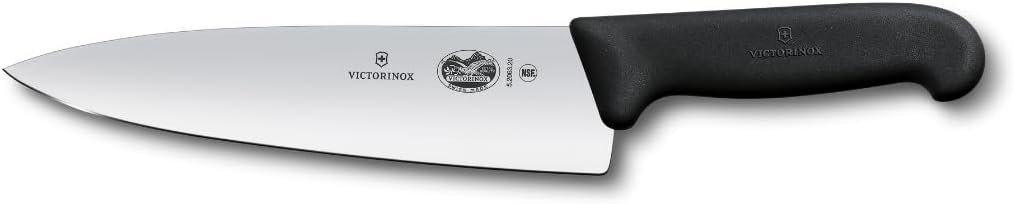
Victorinox emphasizes functional design and efficient cutting performance. Its popular Fibrox and Swiss Classic lines are especially appealing to people who want dependable knives without paying for elaborate finishes or heavier construction.
Neither brand is automatically better in every category. The specific model matters more than the brand name alone, particularly when comparing blade steel, edge geometry, handle materials, and manufacturing methods.
Zwilling vs. Victorinox: Which Knife Is Sharper?
Both brands can produce exceptionally sharp kitchen knives. In everyday use, sharpness depends on the individual model, factory edge, blade geometry, sharpening quality, and how well the edge is maintained.
Zwilling knives often feature blade profiles designed around traditional European cutting techniques. Many models provide a sturdy cutting edge that works well for chopping vegetables, slicing meat, and handling general kitchen tasks.
Victorinox knives are known for their efficient cutting performance, particularly in popular chef’s knives and utility knives. Their relatively thin, lightweight blades can move through many ingredients with little resistance.
There is no universal winner in sharpness. A well-maintained Victorinox can outperform a dull Zwilling, just as a properly sharpened Zwilling can deliver excellent results.
Best choice for sharpness: Either brand. Compare the exact models and prioritize blade geometry, edge condition, and ease of sharpening over marketing claims.
Zwilling vs. Victorinox: Which Is More Durable?
Durability depends on the knife’s steel, blade thickness, construction, handle materials, and how it is used.
Zwilling’s forged collections often appeal to buyers seeking a substantial knife with a traditional premium construction. Depending on the model, features may include a full tang, a bolster, and a handle designed for a secure grip.
Victorinox knives often use simpler, lightweight designs that are well suited to frequent everyday use. Models with synthetic handles, such as the Fibrox line, are particularly practical in busy kitchens.
Both brands can last for many years with proper care. Neither should be treated as indestructible: twisting the blade, cutting through bones with an unsuitable knife, or using a kitchen knife on hard surfaces can damage the edge or blade.
Best choice for durability: Zwilling may appeal more to buyers who prefer substantial construction, while Victorinox is an excellent choice for dependable everyday work. The individual knife’s construction is the deciding factor.
Zwilling vs. Victorinox: Which Knife Is More Comfortable?
Comfort is subjective, but weight and handle design can make a noticeable difference when preparing food for extended periods.
Zwilling: A Solid, Balanced Feel
Many Zwilling forged knives feature contoured handles, substantial blades, and a balance point that suits traditional European cutting techniques. The Four Star and Pro collections are good examples of this design philosophy.
These knives may appeal to cooks who enjoy a firm, substantial grip and use rocking motions to chop ingredients. However, heavier models may feel tiring if you prefer a lightweight knife.
Victorinox: Lightweight and Practical
Victorinox emphasizes low weight, maneuverability, and functional handle design. Its Fibrox range features textured, non-slip handles, while Swiss Classic knives offer lightweight designs for everyday home cooking.
The reduced weight can make repetitive chopping and detailed preparation feel less tiring for some users.
Winner for comfort: Victorinox for lightweight handling and extended prep sessions; Zwilling for cooks who prefer a more substantial, balanced knife. Try both styles if possible, because handle shape and grip preference matter as much as weight.
Zwilling vs. Victorinox: Which Offers Better Value for Money?
Victorinox is often the better choice for budget-conscious buyers, particularly when comparing its Fibrox chef’s knife with more expensive forged Zwilling models.
Its straightforward construction prioritizes cutting performance and practicality rather than decorative finishes or premium handle materials.
Zwilling typically commands higher prices in its forged collections, where buyers may be paying for manufacturing methods, handle design, finishing, and the overall feel of the knife. Its entry-level collections and discounted sets can offer different value propositions, so comparisons should always be model-specific.
Consider these factors when deciding which knife offers better value:
- Purchase price: Victorinox often delivers strong performance at a lower initial cost.
- Comfort and handling: The better value is the knife you can use comfortably for years.
- Maintenance: Both brands need appropriate sharpening and care.
- Longevity: A well-maintained knife from either brand can provide years of reliable service.
Winner for value: Victorinox for most practical, budget-conscious buyers. Zwilling may be worth the extra investment if its construction and handling better match your preferences.
Best Zwilling and Victorinox Knives to Consider
Rather than comparing entire brands in isolation, it helps to look at specific collections.
Best Zwilling Knives
1. Zwilling Four Star Chef’s Knife
The Four Star is a strong option for cooks who want a traditional forged German knife with an ergonomic synthetic handle. It is designed for everyday chopping, slicing, and dicing.
Best for: Home cooks who want a substantial, versatile knife for regular meal preparation.
2. Zwilling Pro Chef’s Knife
The Pro collection emphasizes ergonomics, precision, and a curved bolster designed to support a professional pinch grip. It is a good choice for cooks who value balance and refined handling.
Best for: Enthusiastic home cooks and experienced users seeking a premium chef’s knife.
Official product information: Zwilling Pro Chef’s Knife.
Best Victorinox Knives
1. Victorinox Fibrox Chef’s Knife
The Fibrox chef’s knife is a practical all-purpose option with a lightweight blade and textured, non-slip handle. It is particularly attractive for users who prioritize functionality and value.
Best for: Beginners, busy home cooks, and professional kitchens looking for a dependable everyday knife.
Official product information: Victorinox Fibrox Chef’s Knife.
2. Victorinox Swiss Classic Knife
Swiss Classic knives focus on lightweight versatility and easy everyday handling. The collection includes a variety of knives for different kitchen tasks.
Best for: Home cooks who want practical, easy-to-handle knives without unnecessary bulk.
Official collection comparison: Victorinox Swiss Classic vs. Fibrox.
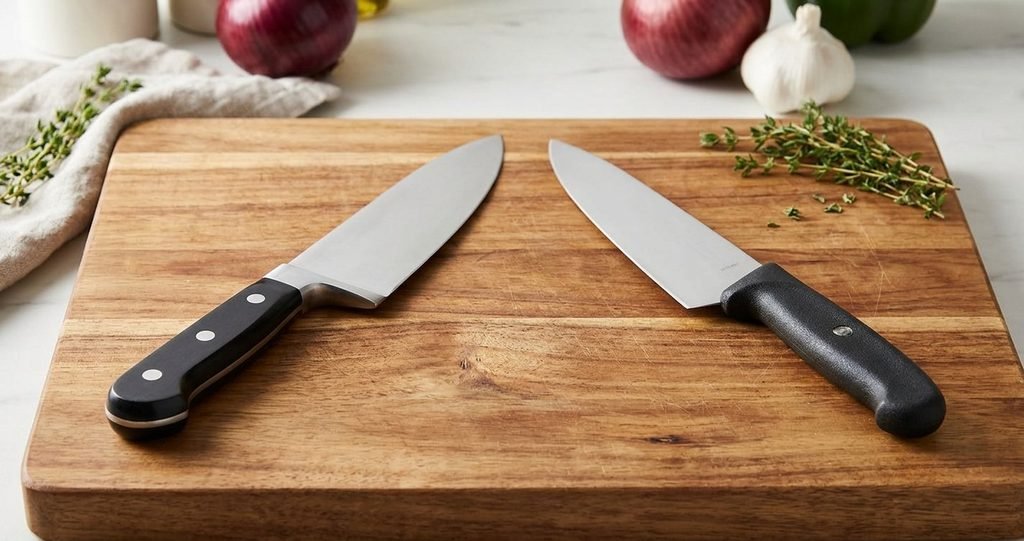
Zwilling vs. Victorinox for Home Cooks
For most home kitchens, either brand can cover the essential cutting tasks. The right choice depends on how often you cook and what you value most.
- For beginners: Victorinox is an excellent starting point because it offers capable, practical knives at accessible prices.
- For everyday meal preparation: Both brands work well. Choose Victorinox for a lighter feel or Zwilling for a more substantial one.
- For serious home cooks: Zwilling’s Four Star and Pro collections are worth considering if you appreciate premium construction and ergonomic design.
- For occasional cooking: A good Victorinox chef’s knife is often all you need.
- For a coordinated knife set: Compare the individual knives, storage options, and total cost rather than choosing based on the number of pieces included.
A single high-quality chef’s knife, paired with a paring knife and a bread knife, is usually more useful than a large set containing tools you rarely use.
Are Zwilling Knives Better Than Victorinox Knives?
Zwilling knives are not automatically better than Victorinox knives. Zwilling’s premium forged collections can offer a more substantial feel and carefully developed ergonomics, but Victorinox knives can deliver outstanding cutting performance at a lower price.
The differences become clearer when you compare particular models. A premium Zwilling knife may suit someone who values construction, balance, and handle design, while a Victorinox Fibrox may be the more sensible purchase for someone who wants a dependable workhorse.
Sharpness, durability, and comfort depend on the individual knife and how it is maintained. Neither brand guarantees a superior experience for every cook.
How to Maintain Zwilling and Victorinox Knives
Regardless of which brand you choose, proper maintenance helps preserve cutting performance and extend the knife’s useful life.
- Use the right cutting board: Wood and suitable plastic boards are generally gentler on knife edges than glass, stone, or ceramic.
- Wash according to the manufacturer’s instructions: Hand-washing and immediate drying are good habits, even when a particular model is labeled dishwasher-safe.
- Sharpen when needed: Regular honing can help maintain an edge, while sharpening removes material to restore it when it becomes dull.
- Store knives safely: Use a knife block, blade guard, magnetic strip, or suitable drawer organizer.
- Avoid misuse: Do not twist the blade through hard ingredients or use a standard chef’s knife to cut through bones.
Both Zwilling and Victorinox can reward good care with years of consistent performance.
Final Verdict: Zwilling vs. Victorinox Knives
The best choice depends on your budget, cooking style, and preferred knife feel.
Choose Zwilling if you want a premium German knife, appreciate substantial construction, and prefer the balance and ergonomics of its forged collections.
Choose Victorinox if you want excellent everyday cutting performance, lightweight handling, and strong value for money.
1 thought on “Zwilling vs Victorinox Knives: Differences, Reviews & Best Choice”